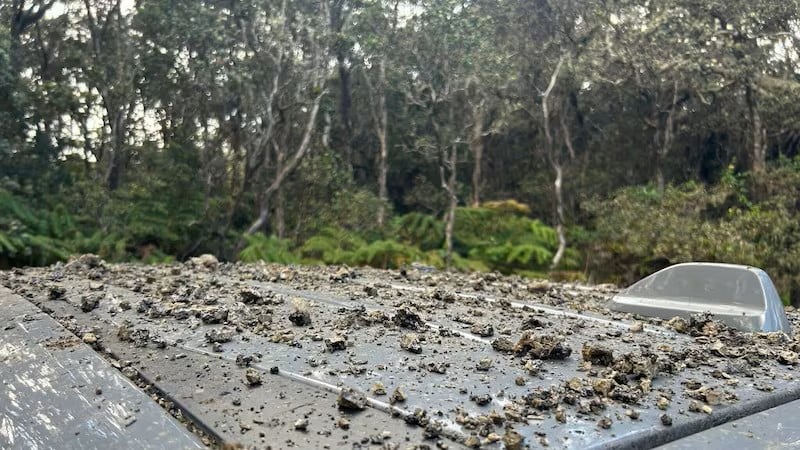
Recent activity from Kīlauea has once again reminded residents across Hawaiʻi Island that volcanic eruptions can affect more than just the surrounding landscape. When volcanic ash and tephra are carried by the wind, they can settle on rooftops, gutters, and rainwater catchment systems. For homeowners who rely on rainwater catchment systems, this can create concerns about water quality, system safety, and proper maintenance.
If your home uses a rainwater catchment tank, understanding how volcanic ash affects your system and knowing the general recommendations during ashfall events can help protect both your equipment and your household’s water supply.
Why Volcanic Ash Affects Catchment Systems
Many homes across Hawaiʻi Island rely on rainwater catchment systems as their primary water source. These systems collect rainwater from rooftops and channel it through gutters into storage tanks.
When volcanic ash or tephra is present in the air, those particles can settle on roofs and other surfaces. During the next rainfall, the ash can wash directly into the catchment system. This introduces fine abrasive particles and volcanic minerals into the tank water.
Ash contamination can:
- Reduce water quality
- Introduce sediment into filtration systems
- Potentially affect drinking water safety
- Increase wear on pumps and filters
Organizations such as the Hawaiian Volcano Observatory, Hawaiʻi County Civil Defense, and the Hawaiʻi Department of Health often provide updates and guidance during volcanic events that may affect water systems.
Why Disconnecting Your Catchment System May Be Recommended
During periods when volcanic ash or tephra is actively falling or blowing through an area, homeowners are often advised to temporarily disconnect their catchment systems from the roof.
The purpose of this recommendation is simple:
to prevent ash-covered rainwater from entering the tank.
When ash accumulates on your roof, the first rainfall after an eruption typically washes the highest concentration of ash particles into the gutters. Allowing this runoff to enter the tank can quickly contaminate thousands of gallons of stored water.
By temporarily diverting roof runoff away from the catchment tank until conditions improve, homeowners can significantly reduce the amount of ash that enters their water supply.
Health and Water Safety Considerations
Volcanic ash is made up of extremely fine particles of rock and volcanic glass. While it may appear similar to dust, these particles can affect both respiratory health and water quality.
If ash enters a rainwater catchment system, homeowners may notice:
- Cloudy or gray-colored water
- Sediment buildup
- Clogged filters
- Changes in taste or smell
According to public health guidance, water that has been exposed to volcanic ash may not be suitable for drinking until the system has been properly evaluated and cleaned.
The Hawaiʻi Department of Health recommends that residents relying on catchment systems remain cautious about water quality following ashfall and consider additional filtration or treatment if contamination is suspected.
Cleaning Catchment Systems After Ashfall
Once volcanic activity decreases and ashfall has stopped, homeowners may begin assessing their catchment systems.
Cleaning typically focuses on removing ash from areas where it can enter the water supply, such as:
- Rooftops
- Gutters and downspouts
- Tank inlets and screens
- Pre-filters and sediment filters
Removing ash buildup from roof surfaces before reconnecting the system helps reduce the amount of debris entering the tank during the next rainfall.
In cases where ash has already entered the tank, some homeowners may need to perform additional maintenance, such as replacing filters or flushing parts of the system. Professional catchment service providers may also be helpful when significant contamination has occurred.
Protecting Your Catchment System During Future Ash Events
Living on Hawaiʻi Island means living with the natural activity of our volcanoes. While eruptions are a powerful reminder of the island’s geological forces, homeowners can take simple precautions to protect their Hawaii rainwater catchment systems during ash events.
General recommendations include:
- Monitoring eruption updates from the Hawaiian Volcano Observatory
- Staying informed through Hawaiʻi County Civil Defense alerts
- Temporarily disconnecting catchment systems during active ashfall
- Cleaning roof and gutter systems before reconnecting water collection
- Checking filtration systems and water clarity after ash exposure
These steps can help homeowners maintain safer water storage and prevent unnecessary damage to pumps and filtration equipment.
Staying Prepared as a Catchment System Homeowner
For many residents across Hawaiʻi Island, rainwater catchment systems are an essential part of everyday life. Understanding how volcanic ash impacts these systems helps homeowners stay prepared during eruptive events like the current activity at Kīlauea.
By staying informed, protecting catchment systems during ashfall, and monitoring water quality afterward, homeowners can continue to safely rely on their rainwater supply even in a dynamic volcanic environment.
