Cesspools and Septic Systems on Hawai‘i Island: A Guide for Homebuyers
When you’re considering buying a home on Hawai‘i Island (the Big Island), one of the key things to understand is how wastewater is handled on the property. Many rural and older homes in Hawaii rely on onsite wastewater systems rather than centralized sewer lines — and the type of system makes a huge difference for health, cost, and future regulations.
What Are Cesspools?
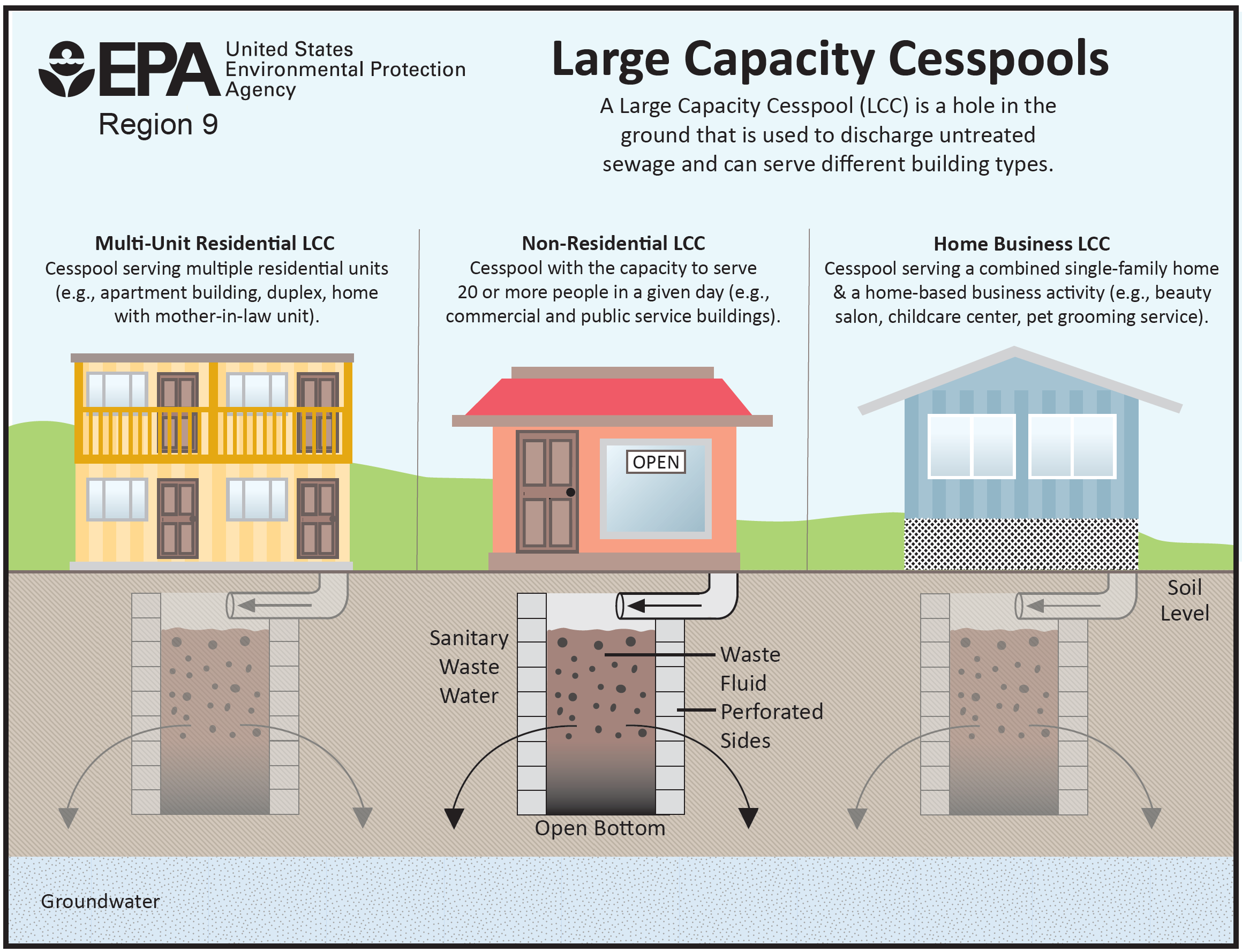

A cesspool is basically a hole in the ground that receives untreated wastewater from a home and allows the liquid to seep directly into the surrounding soil. It doesn’t treat the waste — it merely disposes of it. Solids may settle, but the wastewater that leaches out is essentially raw sewage.
Key points about cesspools:
-
They don’t treat wastewater — the liquid containing bacteria, nutrients, and pathogens seeps into the ground.
-
They contaminate groundwater, which is especially important in Hawai‘i where groundwater supplies most drinking water.
-
They can harm nearshore waters and coral reefs when contaminants reach the ocean.
-
New cesspools are prohibited in Hawaii; existing ones must be upgraded or closed by 2050.
Hawai‘i has thousands of cesspools statewide, with a particularly high number on the Big Island due to its rural character and areas without sewer connections.
What Is a Septic System?
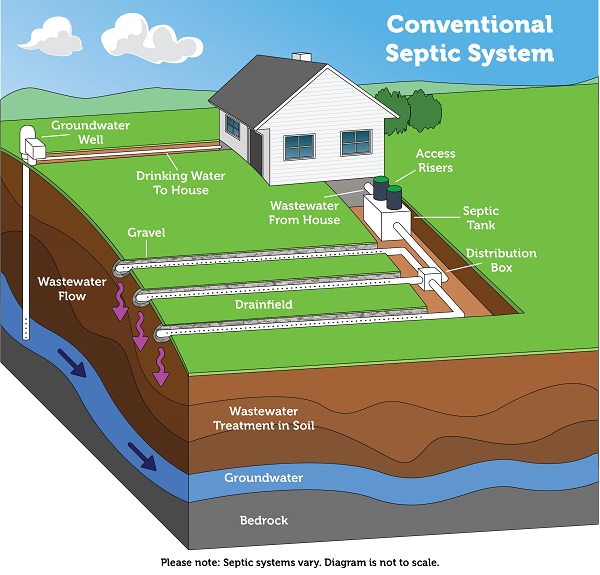
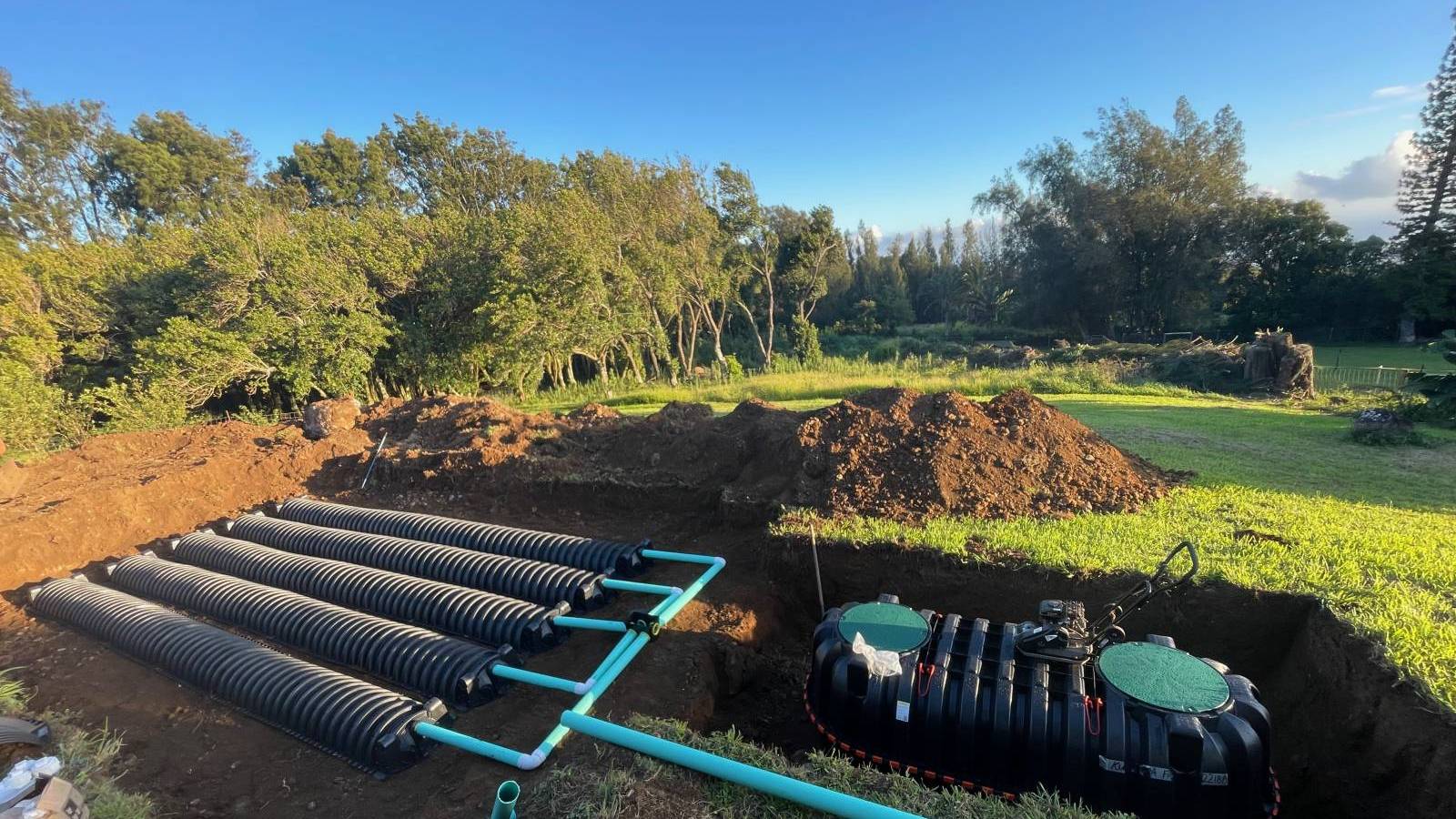
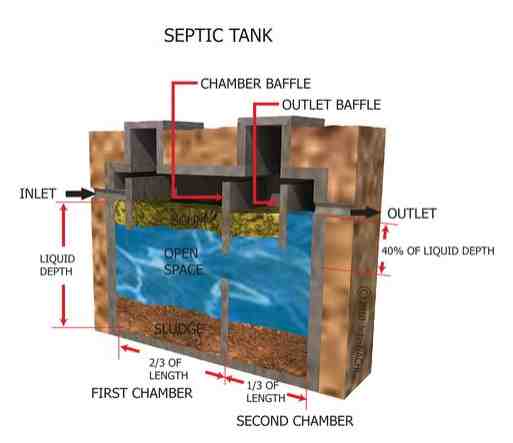
A septic system is a multi-component wastewater treatment system. It consists of:
-
A septic tank, where solids settle and begin to break down,
-
A distribution box, and
-
A leach field or trench system where partially treated wastewater disperses into the soil.
Unlike cesspools, septic systems provide primary treatment — bacteria in the tank and soil help reduce harmful pathogens and organic matter before the liquid enters the groundwater.
Advantages of septic systems:
-
They reduce pollution risks compared to cesspools.
-
They’re often required for building permits and major renovations.
-
A properly sized septic system can add value to a property and bring it into compliance with future regulations.
Main Differences (Homebuyer Perspective)
| Feature | Cesspool | Septic System |
|---|---|---|
| Wastewater Treatment | None — untreated sewage seeps into ground. | Yes — solids settle and bacterial action reduces contaminants. |
| Environmental Impact | Higher risk of contaminating groundwater and nearshore waters. | Lower risk when functioning properly. |
| Regulatory Status | Must be replaced by 2050 under state law. | Compliant system accepted long-term. |
| Maintenance | Needs pumping; risk of failure. | Regular inspection and pumping — usually easier to maintain. |
| Home Value Impact | May reduce value or require disclosure. | Generally neutral or positive. |
| Cost Implications | Future conversion costs likely. | Upfront cost but long-term compliance. |
Regulatory Landscape in Hawai‘i
One of the most significant issues for homebuyers is that Hawaii state law (Act 125 and its updates) requires all existing cesspools to be upgraded, converted, or connected to a sewer system by January 1, 2050.
This means:
-
If a property you’re considering still has a cesspool, you’ll likely eventually be responsible for upgrading it.
-
If you plan renovations that increase wastewater flow (like adding a bathroom), you may have to convert sooner.
-
Counties and the state are working on priority timelines; some high-risk areas might move up earlier than 2050.
Practical Tips for Buyers
✅ Ask for a professional inspection that specifically identifies the wastewater system type. Cesspools and septic systems look similar on paper but function very differently.
✅ Review disclosure documents carefully — sellers must disclose cesspools, and failing to do so can lead to disputes.
✅ Estimate conversion costs — upgrading to a septic system (or alternative wastewater system) can range from several thousand to tens of thousands of dollars depending on soil conditions, space, and permits.
✅ Check local sewer availability — some urban areas (like parts of Kona and Hilo) may have sewer connections that eliminate the need for onsite systems.
✅ Budget for maintenance — both systems require regular upkeep, but septic systems tend to be easier to manage long-term.
Knowledge is key....
Understanding the difference between cesspools and septic systems is critical for buying property on Hawai‘i Island. While cesspools were once common and inexpensive, they pose environmental and legal challenges and are on a path toward mandatory conversion. Septic systems, on the other hand, offer better treatment, compliance with future laws, and potentially greater resale value.
Planning ahead — including inspections, budgeting for upgrades, and consulting local experts — can help you make a smart, informed decision when purchasing your Hawaii home.
