Wondering if a condo or townhome in Hilo could be the right fit for your next move? For many buyers, these properties offer a simpler way to own in a convenient location, but they also come with rules, fees, and building-level questions that matter just as much as the unit itself. If you are comparing options in East Hawaiʻi, this guide will help you understand what to look for, what to ask, and how to budget with more confidence. Let’s dive in.
Hilo Condo Inventory at a Glance
If you start browsing Hilo condos and townhomes, you will likely notice a market with a wide range of unit sizes. Current examples include studios around 448 to 496 square feet, one-bedroom units around 520 to 648 square feet, and two-bedroom options from about 695 to 1,200 square feet. There are also townhouse-style layouts, including examples around 1,055 square feet.
You may also notice that much of the visible inventory is older. Current listings include buildings dating to the 1960s and 1970s, which means your due diligence should go beyond the paint color and floor plan. In many cases, the bigger questions involve building systems, maintenance planning, and association finances.
Amenities in Hilo condo communities can be a meaningful part of the value. Current listings mention features like assigned parking, pools, on-site security, secured mailboxes, shared laundry, lanais, and service lanais. Some buildings also include certain utilities in the monthly fee, which can make side-by-side comparisons more important.
How Condo Ownership Works in Hawaiʻi
Buying a condo or townhome in Hilo is not exactly the same as buying a single-family home. In Hawaiʻi, condominium projects are governed by Chapter 514B of the Hawaiʻi Revised Statutes, and the association plays a major role in how the property is managed. That means you are not just buying the unit itself. You are also buying into a set of documents, budgets, and house rules.
For resale purchases, the Hawaiʻi Department of Commerce and Consumer Affairs says owners should be able to obtain important association documents. These can include the declaration, bylaws, house rules, financial statements, contracts, and ledgers. Owners are also entitled to a free electronic copy of the declaration, bylaws, covenants, conditions, restrictions, and house rules from the association.
That paperwork matters more than many buyers realize. House rules can affect everyday living, and financial records can tell you a lot about how the community is being run. A condo that looks affordable on the surface can feel very different once you understand the rules and the financial picture behind it.
Why the Title Report Matters
The title report is one of the most important parts of your review period. According to DCCA, it can reveal easements, covenants, restrictions, agreements, and liens that may materially affect the use or value of the unit. In other words, it helps you understand whether there are legal or financial issues attached to the property.
This is especially important in Hawaiʻi, where ownership details should never be assumed. At least some current Hilo condo listings are fee simple, and buyers should verify land tenure in both the listing details and the title report. That one step can prevent confusion later.
Fees, Reserves, and Budgeting Basics
One of the biggest differences between condo ownership and single-family ownership is the monthly association fee. In Hilo, these fees can cover much more than exterior maintenance. Current listing examples show that fees may include items like water, sewer, electricity, central air conditioning, basic cable, rubbish service, gas, insurance, security, and resident manager services, depending on the building.
Those fees can also add up quickly. Current examples include a $550 monthly HOA fee at 188 Hale Street and a $633 monthly HOA fee at 485 Waianuenue Avenue. The amount you pay will depend on the building, amenities, insurance needs, and reserve funding.
Reserve Funds Deserve a Close Look
Reserve funding is one of the most important questions you can ask in an older Hilo building. DCCA explains that reserves are intended to pay for large future expenses such as roof replacement, elevator work, and other common-area projects. If reserves are too low, owners may face special assessments, association borrowing, or deferred maintenance.
That matters in any market, but especially in a place where many buildings are older. A well-run association usually has a clearer plan for long-term repairs and replacements. A poorly funded one may leave owners dealing with surprise costs later.
Fee Increases and Delinquency Rules
Hawaiʻi law gives some structure to how associations handle assessments and budgets. DCCA states that a board must give written notice of maintenance-fee increases at least 30 days before the increase. It also says an association may not exceed the adopted annual operating budget by more than 20 percent without an emergency or owner approval.
Buyers should also understand the consequences of unpaid assessments. Past-due amounts can bear interest up to 18 percent per year, and unpaid assessments can become a lien against the unit. In some cases, that lien may be foreclosed.
Property Taxes and Insurance in Hilo
When you budget for a Hilo condo or townhome, monthly fees are only part of the picture. Real property taxes in Hawaiʻi County are based on fair market value. For fiscal year 2025 to 2026, the county lists a homeowner rate of $5.95 per $1,000 of net taxable value, a residential rate of $11.10 per $1,000 below $2 million, a higher residential tier rate of $13.60 per $1,000 at $2 million and above, and a minimum real-property tax of $200.
If you plan to live in the unit as your principal residence, it is worth checking whether you may qualify for the county homeowner class and home exemption. Current county code shows age-based home-exemption tiers ranging from $85,000 to $125,000 for older homeowners. Because tax classification can affect your long-term carrying costs, it is smart to verify eligibility early.
Insurance is another area where buyers should ask detailed questions. DCCA says associations generally must maintain property and liability insurance, and flood insurance must be maintained if the property is in a FEMA special flood hazard area. You should also confirm what the association insures and what you would need to insure personally.
Hilo’s Climate Changes the Checklist
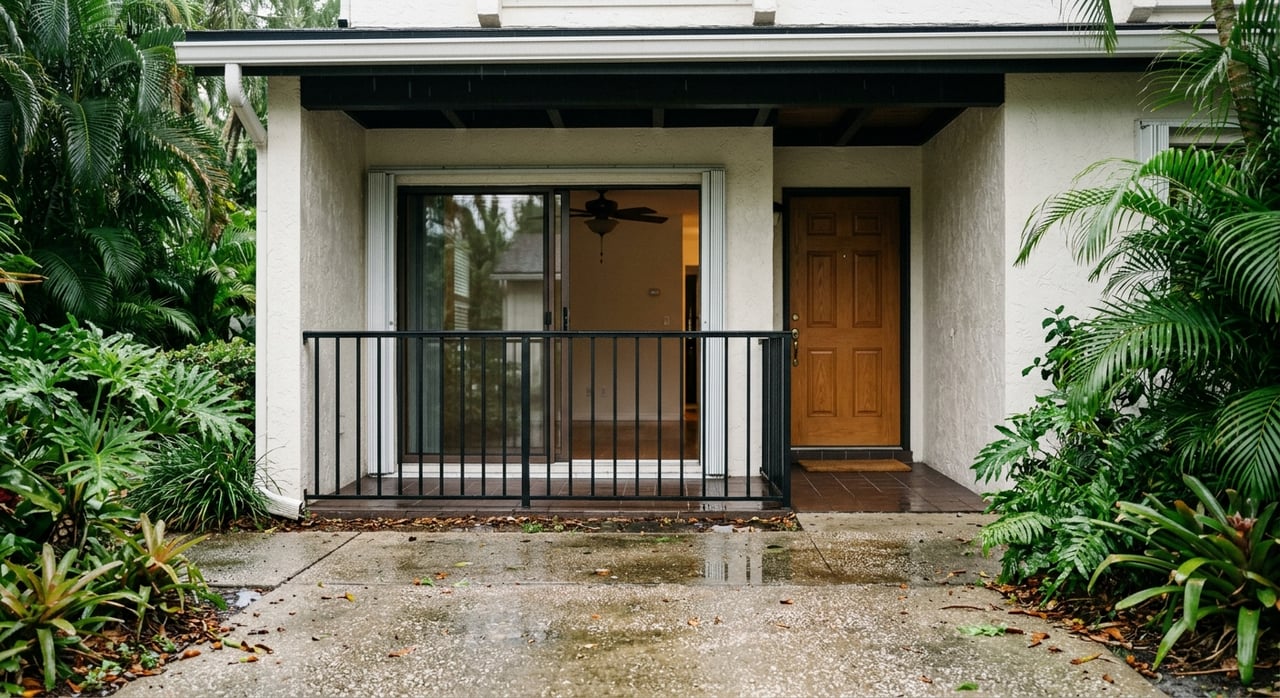
Hilo’s climate should shape how you evaluate any condo or townhome. NOAA normals for Hilo International Airport show 120.39 inches of annual precipitation, which is a strong reminder that moisture management matters here. In practical terms, that means buyers should pay close attention to drainage, roof condition, window seals, ventilation, and signs of ongoing moisture issues.
This is especially relevant in older buildings. Even if a unit looks nicely updated inside, the larger building envelope still matters. In Hilo, it is wise to ask how the association handles water intrusion, exterior maintenance, and major repair planning.
Why Condos Appeal in Hilo
For many buyers, condo and townhome living in Hilo comes down to convenience. Current listing descriptions often highlight central locations near downtown, the library, the post office, medical facilities, Bayfront beaches, and other daily amenities. If you want less yard work and easier access to town, that can be a real advantage.
This type of property can also make sense if you are relocating and want a lower-maintenance home base. The tradeoff is that you need to be comfortable with shared rules, shared expenses, and association oversight. For the right buyer, that balance works well.
Questions to Ask Before You Buy
When you compare Hilo condos and townhomes, a few practical questions can help you cut through the noise quickly:
- What does the monthly AOAO or HOA fee include?
- How healthy are the reserve funds?
- Are any special assessments planned or being discussed?
- Are there upcoming capital projects?
- What are the pet rules?
- What are the parking rules?
- What are the rental restrictions, if any?
- Is the property fee simple or another form of ownership?
- What does the title report reveal?
- What does the association insure, and what would you insure separately?
These questions are not just nice to ask. In Hawaiʻi condo purchases, they are central to understanding your real cost, your rights, and your day-to-day ownership experience.
A Smart Hilo Buying Strategy
If you are serious about buying a condo or townhome in Hilo, the smartest approach is to evaluate both the unit and the association at the same time. A great location and appealing layout are important, but so are reserves, fees, insurance, title details, and building condition. In Hilo’s older and moisture-prone inventory, those factors can have a major impact on your satisfaction after closing.
Having local guidance can make this process much easier. When you work with someone who understands East Hawaiʻi, you can ask better questions, compare options more clearly, and move forward with a fuller picture of what ownership will actually look like. If you are exploring Hilo condos or townhomes, connect with Tessie Fontes for practical, locally rooted guidance.
FAQs
What should buyers know about Hilo condo sizes?
- Current Hilo listings range from small studios around 448 to 496 square feet to larger two-bedroom and townhouse-style units around 1,055 to 1,200 square feet.
What do Hilo condo HOA fees usually cover?
- Depending on the building, HOA or AOAO fees may cover items like water, sewer, electricity, gas, rubbish service, insurance, security, central A/C, cable, and common-area maintenance.
Why are reserve funds important for Hilo condos?
- Reserve funds help pay for major future repairs such as roofs, elevators, and other shared components, and low reserves can lead to special assessments, borrowing, or deferred maintenance.
What property tax rates apply to Hilo condo owners?
- Hawaiʻi County lists a fiscal year 2025 to 2026 homeowner rate of $5.95 per $1,000 of net taxable value, a residential rate of $11.10 per $1,000 below $2 million, and $13.60 per $1,000 at $2 million and above, with a $200 minimum tax.
What climate issues matter when buying a condo in Hilo?
- Because Hilo averages 120.39 inches of annual precipitation, buyers should pay close attention to drainage, roof condition, window seals, ventilation, and moisture management in the building.
What ownership details should buyers verify for Hilo condos?
- Buyers should confirm land tenure, review the title report, and read the association documents carefully so they understand restrictions, liens, easements, rules, and financial obligations.
