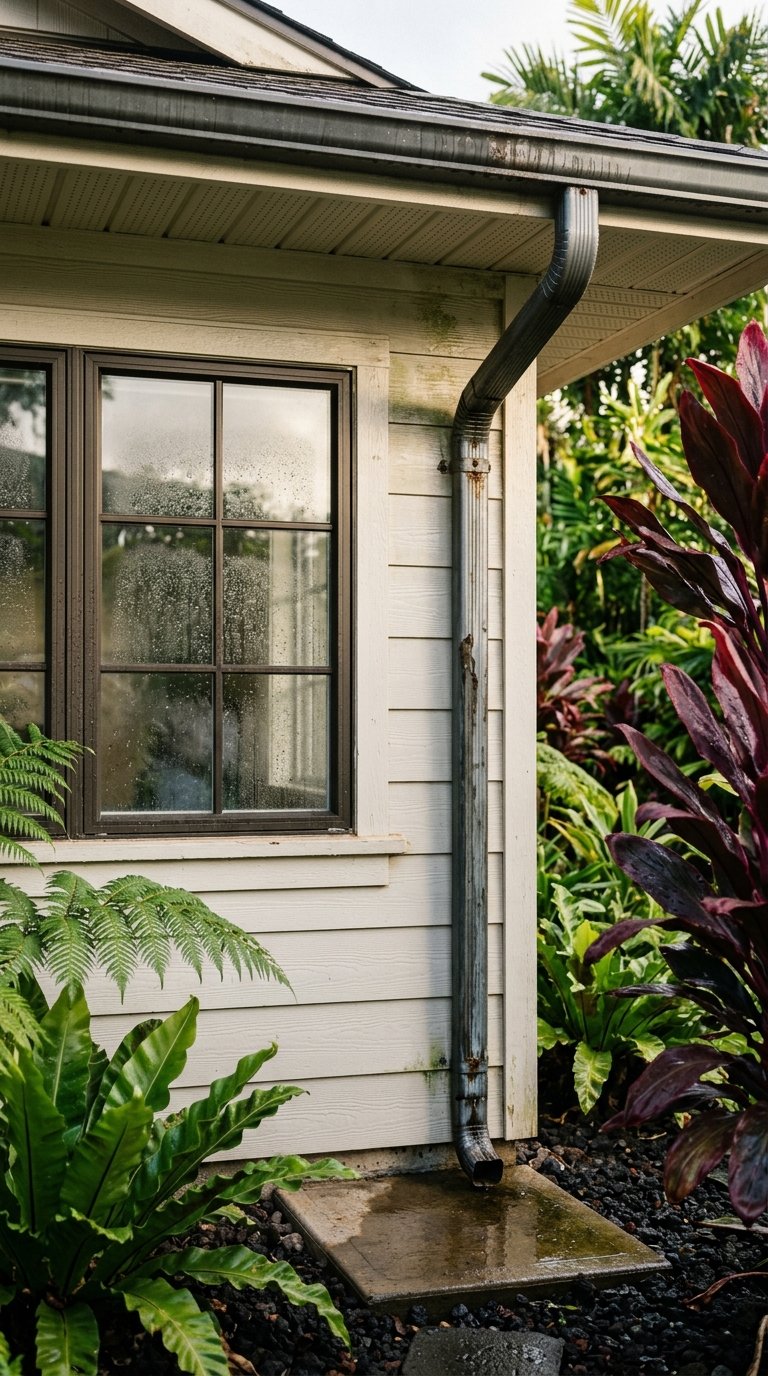
If you’re buying or owning a home in Hilo, the weather is not just background scenery. It is one of the biggest forces shaping how a property looks, feels, and holds up over time. In a place with year-round rain, warm humidity, strong sun, and salt exposure near the coast, smart maintenance can save you stress and help you protect your investment. Let’s dive in.
Hilo’s Climate Affects Homes Year-Round
Hilo is not a place with a long dry season followed by a short wet one. NOAA climate normals for Hilo International Airport show an annual mean temperature of 74.0°F and about 120.39 inches of rain each year.
Rain falls in every month, from 6.99 inches in May to 14.39 inches in November. That means homes in Hilo are almost always dealing with moisture in some form, whether it is steady rain, damp air, or surfaces that stay wet longer than expected.
State and county planning documents describe Hilo as part of Hawaiʻi’s continuously wet humid tropical climate zone. On the windward side of the island, trade winds, mountain slopes, sea breezes, fog drip, and winter weather patterns all play a role in how much moisture reaches a property.
That is why two homes in the same general area can age differently. A house closer to the shoreline may face more salt spray and metal corrosion, while an upslope or more sheltered property may still have significant moisture, mildew, and rain-related wear.
Why Rain Matters Most
In Hilo, rain is not just a seasonal issue. It is an ongoing maintenance factor that affects roofs, drainage systems, siding, windows, and the interior of the home.
When water is not directed away from the house properly, small issues can turn into bigger repairs. A clogged gutter, loose flashing, or slow leak can allow moisture to stay trapped, and that creates ideal conditions for damage.
The CDC notes that mold grows where there is moisture, including around roof, window, or plumbing leaks. Wet materials should be dried within 24 to 48 hours whenever possible, because moisture left in place can lead to mold growth and damage to the surfaces underneath.
Roofs and Gutters Do the Heavy Lifting
Your roof system is the first line of defense in Hilo’s wet climate. That includes not only the roofing material itself, but also flashing, gutters, and downspouts.
A good maintenance routine includes checking for damaged roofing materials, inspecting flashing around roof edges and penetrations, and keeping gutters and downspouts clear. When gutters back up, water can spill where it should not, which can affect siding, trim, and even the area around the foundation.
Because Hilo gets substantial rainfall all year, this is not a once-a-year task. A steady inspection schedule matters more here than in drier markets.
What to look for on the roof
- Loose or damaged roofing materials
- Rust or wear on gutters and downspouts
- Flashing issues around vents, skylights, and roof edges
- Areas where water appears to pond or overflow
- Staining on ceilings or walls inside the home
Humidity Can Affect the Inside of the Home
Even when rain is not actively falling, Hilo’s humidity can still affect how a home performs. Indoor moisture can build up slowly around windows, bathrooms, kitchens, and poorly ventilated areas.
The CDC recommends keeping indoor humidity at no higher than 50 percent, using fans or dehumidifiers, venting bathroom and kitchen moisture to the outdoors, and fixing leaks quickly. In a damp climate, moisture control is not optional. It is part of regular home care.
If you are touring homes in Hilo, pay attention to signs of condensation, musty smells, staining, or visible mold on ceilings, walls, and around windows. Those clues can tell you a lot about how well the home has handled moisture over time.
Sun and UV Still Matter in Hilo
Because Hilo is known for rain, buyers sometimes overlook the role of sun exposure. But UV light, heat, and weathering still affect roofs, windows, skylights, and exterior finishes.
The U.S. Department of Energy notes that some glazing materials can scratch, become brittle, or discolor over time. It also notes that heat, moisture, and UV exposure all contribute to the aging of roof and skylight materials.
Paint and exterior finishes also take a hit from a mix of moisture and sun. In many cases, it is the combination of wet conditions followed by exposure and drying that speeds up wear.
Exterior signs worth watching
- Peeling or blistering paint
- Chalking on painted surfaces
- Damaged or shrinking caulking
- Mildew on siding or trim
- Fading or discoloration near windows and doors
Salt Air Speeds Up Corrosion Near the Coast
If a home is near the shoreline or exposed to onshore winds, salt becomes an important part of the maintenance picture. FEMA states that salt spray from breaking waves and onshore winds can significantly accelerate corrosion of metal connectors and fasteners, especially near the coast.
That does not only affect major structural components. It can also show up on railings, hinges, fasteners, hardware, gutters, and exterior fixtures.
In practical terms, coastal or more exposed Hilo properties may need closer attention to metal details and exterior hardware. Rust that looks cosmetic at first can become a larger issue if it is ignored.
Windows, Doors, and Seals Need Regular Checks
Windows and doors do more than open and close. In Hilo, they help manage moisture, air movement, and weather exposure.
Routine checks should include looking for moisture between panes, failed weatherstripping, loose putty, broken glass, and signs of decay around door frames or trim. If seals are failing, humid air and water intrusion can become more likely.
This is especially important in homes with lots of glass, sliders, or broad openings to lanais. Those features can be beautiful and functional, but they also need regular upkeep in a tropical climate.
The Yard Is Part of the Maintenance Plan
In Hilo, home maintenance does not stop at the walls. Landscaping and lot drainage play a big role in how well a property handles repeated rain.
Guidance from CTAHR notes that landscaping near the ocean in Hawaiʻi can be challenging because sea salt and wind can damage plants. Exposure varies by site, which is another reminder that a property’s exact location and orientation matter.
From a home-care standpoint, shrubs and bushes should be kept away from the foundation, and debris should be cleared from doorways, window wells, gutters, and drains. Water should move away from the house instead of collecting near it.
Lot drainage basics for Hilo homes
- Keep gutters and downspouts clear
- Trim plants back from the house
- Remove debris from drains and low spots
- Watch for standing water after storms
- Make sure runoff moves away from the structure
If runoff is a recurring issue, a rain garden may be worth exploring. Hawaiʻi guidance notes that a rain garden can be designed to receive runoff from roofs, driveways, or sidewalks, and it should drain within a few hours to a day after a rain event.
A Practical Maintenance Rhythm for Hilo
In a climate like Hilo’s, maintenance works best when it is routine instead of reactive. NC State Extension recommends a thorough inspection at least every six months, with every three months being even better.
That timing makes sense here. With year-round rain and humidity, waiting too long between check-ins can let small problems grow.
NC State also recommends budgeting about 1 to 3 percent of a home’s market value each year for maintenance and repair. In Hilo, it is reasonable to plan toward the higher end if the home is older, near the shoreline, or has a lot of exterior wood and metal details.
A Buyer Checklist for Hilo Homes
If you are shopping for a home in Hilo, it helps to view maintenance as part of the buying decision. A home can still be a great fit, but you want a clear picture of what the climate may ask of you.
Here are some of the most important areas to review:
- Roof condition and flashing
- Gutters and downspouts
- Exterior paint, caulking, and rust spots
- Window seals and weatherstripping
- Signs of condensation or mold inside
- Drainage around the home and foundation
This kind of checklist is especially helpful for relocators and first-time buyers who may not be used to East Hawaiʻi’s climate. In Hilo, upkeep is less about one big annual project and more about staying ahead of moisture, sun, and salt on a regular basis.
Why Local Context Matters
Hilo homes do not all wear the climate in the same way. Exposure can shift from one street to the next based on elevation, wind, lot layout, and distance from the coast.
That is why local guidance matters when you are buying or selling in East Hawaiʻi. A home’s setting can influence what to inspect closely, what to budget for, and what maintenance habits will make the biggest difference over time.
When you understand how rain, sun, and salt affect a property, you can make more confident decisions and take better care of your investment from day one.
If you’re thinking about buying or selling in Hilo, working with someone who understands how local conditions affect homes can make the process much clearer. For local guidance rooted in East Hawaiʻi knowledge, connect with Tessie Fontes.
FAQs
How much rain does Hilo get each year?
- NOAA normals for Hilo International Airport show about 120.39 inches of annual precipitation, with meaningful rainfall in every month of the year.
What home areas need the most attention in Hilo’s climate?
- In Hilo, the main areas to monitor are the roof, flashing, gutters, downspouts, exterior paint, caulking, windows, doors, and drainage around the house.
Why is salt exposure important for some Hilo homes?
- Homes closer to the shore or exposed to onshore winds can experience faster corrosion of metal connectors, fasteners, railings, gutters, and exterior hardware because salt spray speeds up rust and wear.
How often should you inspect a home in Hilo?
- A thorough home inspection every six months is a solid baseline, and every three months can be even better in Hilo’s wet, humid environment.
What are signs of moisture problems in a Hilo home?
- Common signs include musty odors, condensation, staining on ceilings or walls, visible mold, mildew on exterior surfaces, peeling paint, and standing water near the home after rain.
Can landscaping help protect a home in Hilo?
- Yes. Keeping plants away from the house, clearing debris from drains, and making sure runoff flows away from the structure can help reduce moisture-related wear and drainage problems.
