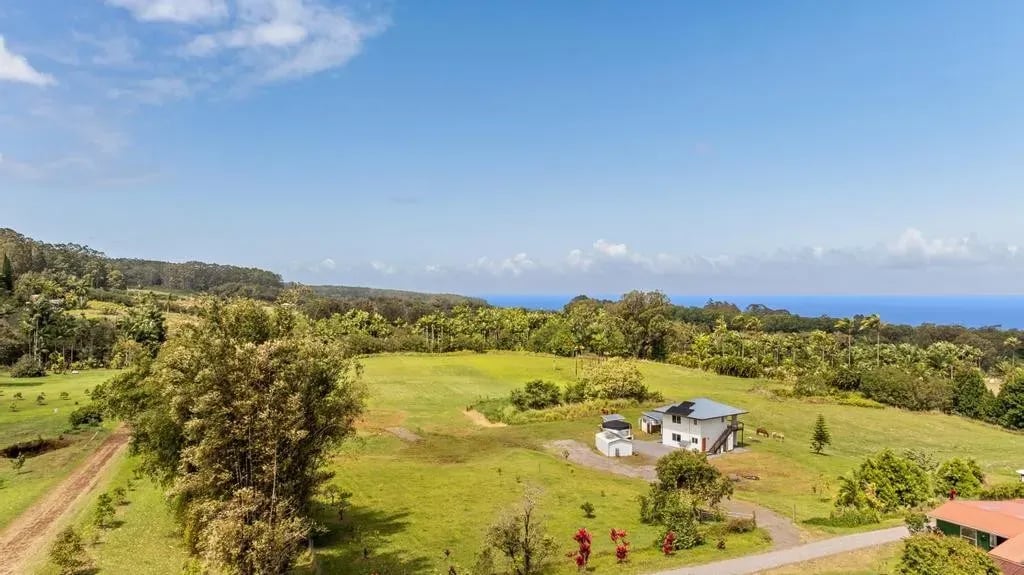
Living Off-Grid on the Big Island of Hawai‘i: What to Expect Before You Make the Move
For many buyers, the idea of living off-grid on the Big Island of Hawai‘i is incredibly appealing: independence, sustainability, lower utility costs, and a deeper connection to nature. The Big Island offers more off-grid living opportunities than anywhere else in the state—but it’s not for everyone.
Before making the move, it’s important to understand what off-grid living really looks like, the systems involved, and the lifestyle adjustments required.
What Does “Off-Grid” Mean on the Big Island?
Living off-grid typically means a home is not connected to public utilities, most commonly:
-
No electric utility connection
-
No municipal water supply
-
No sewer connection
Instead, homes rely on self-contained systems to meet daily needs. On the Big Island, this is fairly common in rural areas, agricultural zones, and lava subdivisions.
Power: Solar Is the Standard
Most off-grid homes on the Big Island use solar power systems, often paired with battery storage and sometimes a backup generator.
What to Expect:
-
Solar panels + battery banks are essential
-
Power usage must be monitored daily
-
Larger systems cost more but allow more comfort
Buyers should ask:
-
How old are the panels and batteries?
-
Is there a generator backup?
-
Can the system support appliances like refrigerators, washers, or air conditioning?
Off-grid living often means being energy-conscious, especially during cloudy or rainy periods.
Water: Catchment Systems Are Common
Instead of city water, most off-grid homes use rainwater catchment systems.
A typical system includes:
-
A metal roof to collect rain
-
Gutters and downspouts
-
Storage tanks (often 5,000–20,000 gallons)
-
Filtration and UV or chlorine treatment
What Buyers Should Know:
-
You are responsible for water quality and maintenance
-
Tank cleaning and filter replacement are ongoing costs
-
Water conservation becomes a daily habit
In drier areas, water hauling may be necessary during droughts.
Wastewater: Septic or Cesspool Systems
Off-grid homes typically use:
-
Septic systems (preferred and more compliant)
-
Cesspools (older homes; regulated for future conversion)
Buyers should confirm:
-
The type of system installed
-
Its condition and compliance status
-
Whether future upgrades will be required
This is a critical inspection item when purchasing an off-grid property.
Internet & Cell Service: Not Guaranteed
Many buyers assume remote work will be easy anywhere—but connectivity varies widely.
Expect:
-
Limited or no cable internet in rural areas
-
Reliance on satellite, wireless, or hotspot services
-
Spotty cell coverage depending on location
Always verify actual internet speeds on the property, not just availability.
Location Matters More Than You Think
Off-grid properties are most common in:
-
Puna
-
Ka‘ū
-
South Kona
-
Ocean View
-
Parts of Hamakua
These areas may offer:
-
Lower home prices
-
Larger lots
-
Fewer building restrictions
But they can also mean:
-
Longer drives to groceries and healthcare
-
Unpaved roads
-
Fewer emergency services
Costs: Lower Utilities, Higher Responsibility
While you may not pay monthly utility bills, off-grid living is not maintenance-free.
Common costs include:
-
Solar battery replacement
-
Generator fuel and repairs
-
Water system maintenance
-
Road and property upkeep
Over time, costs can balance out—but buyers should budget realistically.
Lifestyle Adjustment: Independence Comes With Trade-Offs
Living off-grid on the Big Island requires:
-
Planning ahead
-
Problem-solving skills
-
Comfort with self-reliance
You may experience:
-
Power limitations during storms
-
Water conservation during dry spells
-
Less immediate access to services
For the right buyer, these trade-offs are worth the freedom.
Is Off-Grid Living Right for You?
Off-grid living may be a great fit if you:
-
Value sustainability and independence
-
Are comfortable managing systems
-
Enjoy rural or nature-focused living
-
Want lower purchase prices and fewer restrictions
It may not be ideal if you:
-
Need high-speed internet without compromise
-
Prefer low-maintenance living
-
Rely on city conveniences
-
Are uncomfortable with hands-on home management
It can be rewarding!
Living off-grid on the Big Island can be incredibly rewarding—but success depends on education, preparation, and realistic expectations. Every off-grid property is different, and understanding the systems before you buy is essential.
Working with professionals familiar with off-grid homes can help you avoid surprises and find a property that truly matches your lifestyle goals.
