On many parts of the Big Island—especially Puna, Kaʻū, and rural Hilo—rainwater catchment systems aren’t just a convenience. They’re a way of life. With no county water lines in many neighborhoods, thousands of residents rely on the sky to supply their household water. When properly maintained, a catchment system can provide clean, reliable water year‑round. When neglected, it can become unsafe surprisingly fast.
If you’re new to Hawaiʻi or considering a home with a catchment tank, this guide breaks down how these systems work, what to expect, and how to keep your water clean and safe.
🌦️ What Is a Rainwater Catchment System?
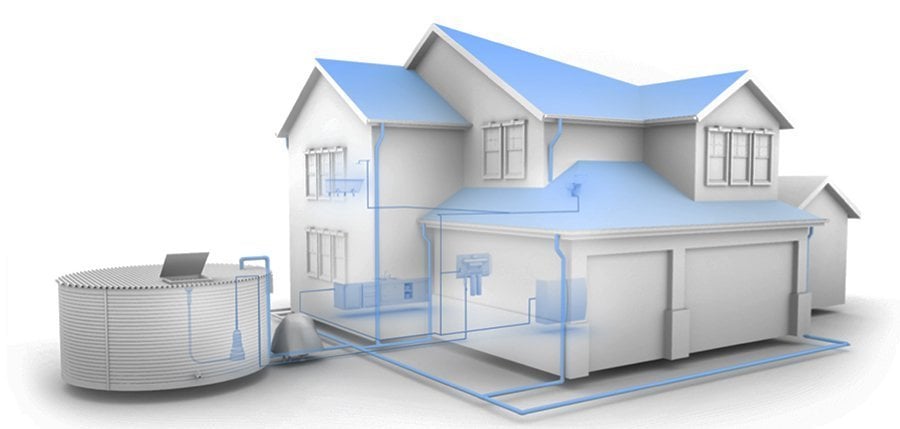
A rainwater catchment system collects rainfall from your roof, filters it, stores it in a large tank, and distributes it throughout your home. It’s a simple concept—but the system has several important components that all need to work together.
🧩 Main Parts of a Catchment System
-
Roof – The rain‑collecting surface
-
Gutters & downspouts – Direct water into the tank
-
First‑flush diverter – Sends the first dirty runoff away from the tank
-
Catchment tank – Stores thousands of gallons of water
-
Tank liner – Keeps water separated from the tank walls
-
Pump & pressure tank – Pushes water into your home
-
Filters – Removes sediment and contaminants
-
UV sterilizer (optional but recommended) – Kills bacteria and pathogens
Most homes in East Hawaiʻi use tanks ranging from 6,000 to 15,000 gallons, depending on household size and rainfall.
💧 How Catchment Tanks Work
Rainwater catchment is surprisingly efficient in Hawaiʻi’s wet climate. Here’s the basic flow:
1. Rain falls on the roof
Your roof acts like a giant funnel. Metal roofs are ideal because they’re smooth and easy to clean.
2. Water flows into gutters
Gutters channel the water toward downspouts that lead to the tank.
3. First‑flush diverter activates
The first few gallons of rainwater wash dust, leaves, bird droppings, and debris off the roof. A diverter sends this dirty water away from the tank.
4. Water enters the tank
Clean rainwater fills the tank, where it’s stored for household use.
5. Pump sends water into the home
A pump and pressure tank deliver water to sinks, showers, toilets, and appliances.
6. Filters and UV treat the water
Most homes use:
-
A sediment filter
-
A carbon filter
-
A UV sterilizer
This ensures water is safe for bathing, cooking, and drinking.
🧼 Keeping Your Catchment Tank Clean
A catchment system is only as good as its maintenance. Hawaiʻi’s warm, humid climate can cause algae, bacteria, and debris to build up quickly if the system isn’t cared for.
Here’s how to keep your water clean and safe.
🧽 1. Clean Your Roof & Gutters Regularly
Your roof is the first point of contact for your water supply. Clean it every 3–6 months to remove:
-
Leaves
-
Mold
-
Bird droppings
-
Debris
Gutters should be cleared at the same time.
🚿 2. Maintain Your First‑Flush Diverter
This small device does big work. Check it monthly to ensure:
-
The ball isn’t stuck
-
The chamber drains properly
-
No debris is clogging the system
A working diverter dramatically improves water quality.
🧴 3. Add Chlorine to the Tank
Chlorine keeps bacteria and algae under control. Most homeowners add unscented household bleach periodically, depending on tank size and usage.
A common routine is:
-
Add chlorine every 1–2 months
-
Test chlorine levels with simple pool test strips
You want enough chlorine to sanitize the water, but not so much that it smells like a swimming pool.
🧊 4. Keep the Tank Covered
Sunlight encourages algae growth. Make sure:
-
The tank lid fits tightly
-
There are no gaps where light can enter
-
The liner is intact and not torn
A shaded tank is a clean tank.
🧪 5. Replace Filters on Schedule
Filters are your last line of defense. Typical replacement schedule:
-
Sediment filter: every 2–3 months
-
Carbon filter: every 3–6 months
-
UV bulb: once a year
If your water pressure drops, it’s often a sign that filters need changing.
🧹 6. Clean the Tank Interior
Every 2–3 years, the tank should be:
-
Drained
-
Scrubbed
-
Rinsed
-
Refilled
This removes sludge, algae, and sediment that build up over time.
Professional tank cleaners are common in East Hawaiʻi and can handle this safely.
🧫 7. Test Your Water
At least once a year, test your water for:
-
Bacteria
-
pH
-
Heavy metals
-
Nitrates
Several Home Inspectors and University of Hawaiʻi offer testing services.
