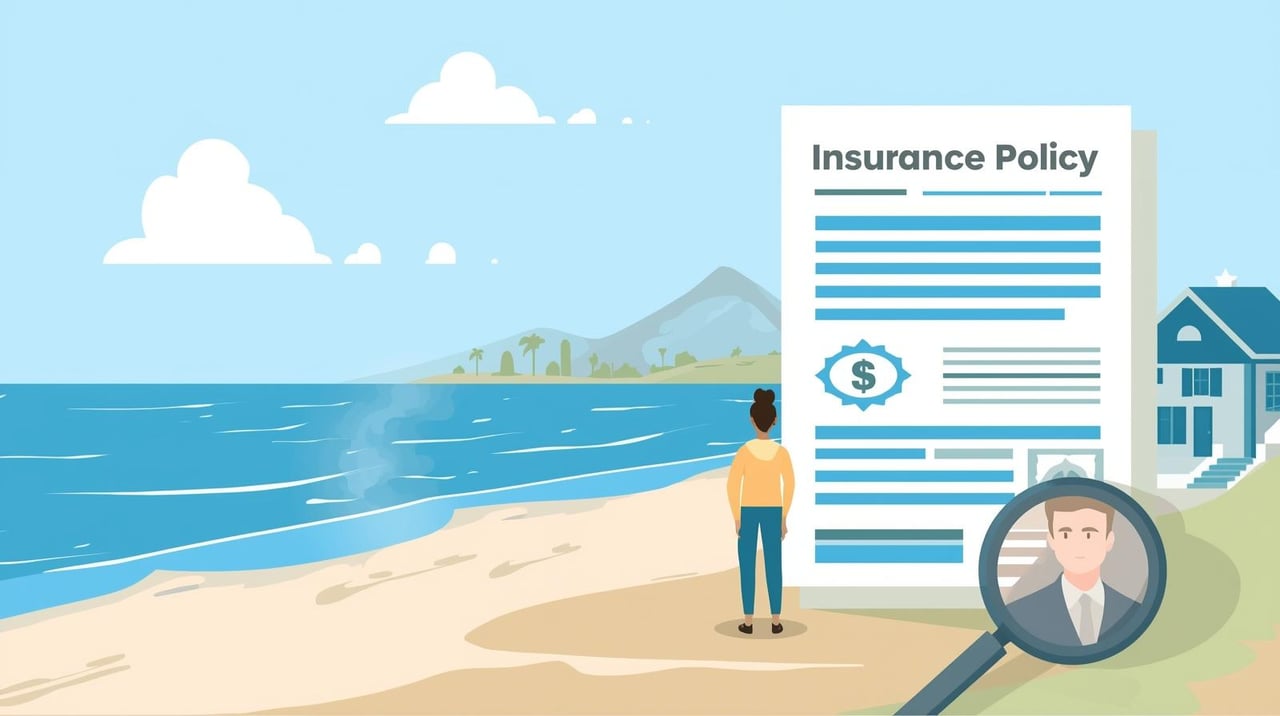
Obtaining Insurance for Oceanfront Property in Hawaiʻi: What Buyers Need to Know
Owning an oceanfront home in Hawaiʻi is a dream for many buyers—but insuring that dream requires extra planning. Oceanfront properties face unique environmental risks that directly affect insurance availability, cost, and coverage structure.
For mainland buyers especially, Hawaiʻi’s insurance landscape can feel complex and unfamiliar. Understanding how insurance works for oceanfront homes before you buy can prevent costly surprises during escrow.
Here’s what you need to know.
🌊 Why Oceanfront Homes Are Harder to Insure
Oceanfront properties are exposed to risks that inland homes typically are not, including:
-
High winds and hurricanes
-
Salt corrosion and accelerated wear
-
Flooding and storm surge
-
Wave action and coastal erosion
-
Tsunami risk
-
Volcanic and lava hazard exposure (in some areas of the Big Island)
Because of these factors, insurance companies evaluate oceanfront homes more cautiously, and coverage often must be layered across multiple policies.
🛡️ The Types of Insurance You’ll Likely Need
Most oceanfront homeowners in Hawaiʻi carry more than one policy to achieve full protection.
1. Homeowners (Dwelling) Insurance
This covers:
-
The structure
-
Interior finishes
-
Personal property
-
Liability
However, for oceanfront homes:
-
Coverage limits may be lower
-
Premiums are higher
-
Deductibles—especially for wind—are often substantial
Some standard carriers may decline coverage altogether based on location and exposure.
2. Wind & Hurricane Insurance
Many oceanfront properties require a separate wind or hurricane policy.
What to expect:
-
High deductibles (often 2%–10% of the insured value)
-
Limited carrier options
-
Mandatory coverage if you have a mortgage
On the Big Island, some homes rely on state-backed or specialty insurers when private carriers decline.
3. Flood Insurance
Flood insurance is not included in standard homeowners policies.
Oceanfront homes are frequently located in:
-
FEMA flood zones
-
Tsunami evacuation areas
Flood insurance:
-
May be required by your lender
-
Can be obtained through the National Flood Insurance Program (NFIP) or private carriers
-
Has coverage caps that buyers should understand before purchasing high-value properties
4. Additional or Specialty Coverage
Depending on location and construction, buyers may also need:
-
Excess liability (umbrella policies)
-
Coverage exclusions for corrosion or erosion
-
Separate policies for detached structures or seawalls
💰 What Insurance Typically Costs for Oceanfront Homes
While costs vary widely, buyers should budget for:
-
Higher annual premiums than comparable ocean-view or inland homes
-
Large deductibles, especially for wind or hurricane events
-
Premium increases after claims or carrier market changes
Insurance costs can meaningfully impact affordability and should be factored into your total cost of ownership—not treated as an afterthought.
🏠 How the Home Itself Affects Insurability
Insurance carriers closely evaluate the property’s construction and condition, including:
-
Roof age and material
-
Elevation above flood zones
-
Foundation type
-
Hurricane straps and tie-downs
-
Impact-resistant windows and doors
-
Distance from the shoreline
-
Evidence of erosion or seawall stability
Homes built to newer building standards or retrofitted for storms often qualify for better coverage and pricing.
📍 Big Island–Specific Considerations
Oceanfront homes on the Big Island may face additional scrutiny due to:
-
Lava Hazard Zones affecting insurability and lending
-
Limited carrier competition compared to the mainland
-
Remote locations, which impact emergency response and rebuilding costs
Not all oceanfront locations are treated equally—insurance varies dramatically by micro-location, not just island or district.
🧠 Buyer Tips for a Smooth Insurance Process
✔ Get Insurance Quotes Before Making an Offer
Never assume a property is insurable. Obtain quotes early—especially if financing is involved.
✔ Work with Hawaiʻi-Based Insurance Professionals
Local insurance brokers understand which carriers will write oceanfront policies and how to structure layered coverage.
✔ Review Deductibles Carefully
A lower premium may come with a very high deductible—know your financial exposure.
✔ Coordinate with Your Lender
Lenders have strict insurance requirements. Confirm coverage meets loan guidelines before closing.
✔ Budget for Long-Term Changes
Insurance markets shift. Plan for possible premium increases over time.
🌴 Final Thoughts
Owning an oceanfront home in Hawaiʻi is a lifestyle investment—but insuring that investment takes knowledge, preparation, and the right professional guidance.
Oceanfront insurance:
✔ Is achievable
✔ Often requires multiple policies
✔ Costs more than inland coverage
✔ Should be reviewed early in the buying process
With the right expectations and a strong local team, buyers can protect their oceanfront property and enjoy Hawaiʻi living with confidence.
