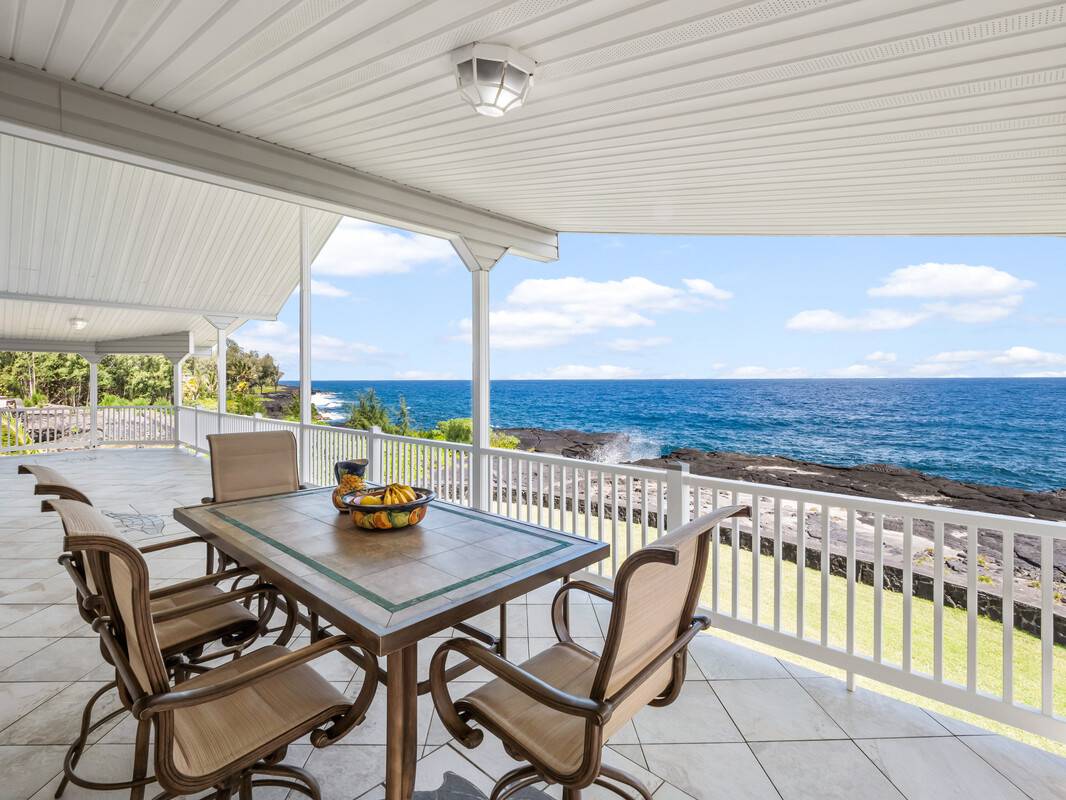
Oceanfront vs. Ocean View Homes on the Big Island of Hawaiʻi: Price, Maintenance, and Insurance Differences
If you’ve dreamed of living on the Big Island, the ocean is likely part of that vision. But before you fall in love with a postcard view, it’s important to understand the practical differences between Oceanfront and Ocean View properties.
These differences impact not just your lifestyle, but your purchase price, ongoing maintenance costs, and insurance requirements — especially in Hawaiʻi’s unique climate and risk landscape.
Let’s break down what you need to know.
🌊 Oceanfront vs. Ocean View: What’s the Difference?
Oceanfront
-
Property directly touches the ocean
-
No buildings or land between the home and the shoreline
-
You can often hear the surf from inside the house
Ocean View
-
Property is set back from the shoreline
-
You can see the ocean but may have other land, vegetation, or structures between you and the water
Both offer beautiful scenery and strong lifestyle appeal — but they’re very different from a practical standpoint.
💰 Price Differences
Oceanfront Homes: Premium Pricing
Oceanfront properties are among the most expensive real estate on the Big Island — and for good reason:
-
Scarcity — Limited supply of true oceanfront lots
-
Demand — High buyer interest for that direct shoreline access
-
Resale value — Historically strong, especially in stable market conditions
Buyers often pay a significant premium — sometimes 20–40% (or more) above comparable properties that are simply ocean view.
Ocean View Homes: More Affordable
Ocean View properties are typically more affordable because:
-
They sit farther from the shoreline
-
They don’t guarantee direct access to the water
-
They often have less risk of coastal hazards (and thus lower insurance costs)
Still scenic and desirable — but without the premium of true oceanfront.
🛠️ Maintenance Considerations
Living near the ocean is beautiful — but it’s also hard on homes.
Here’s how maintenance needs differ:
Oceanfront Maintenance
Oceanfront homes face greater exposure to harsh marine conditions, including:
-
Salt spray that corrodes metal, accelerates paint fade, and wears on outdoor fixtures
-
High winds in open coastal settings
-
Sand and moisture that accumulate in crevices and mechanical systems
Expect:
✔ More frequent exterior painting and sealing
✔ Faster wear on decks, railings, and metal hardware
✔ Higher HVAC and appliance maintenance from salty air
Budgeting for ongoing upkeep — often 2–4% of home value annually — is wise.
Ocean View Maintenance
These properties are usually:
-
Less exposed to direct salt spray
-
Sheltered by elevation, vegetation, or distance
That doesn’t mean zero maintenance — Hawaiʻi’s coastal climate still affects all homes here — but wear and tear is typically slower compared to oceanfront.
🛡️ Insurance Differences
Insurance is one of the biggest differentiators — and one of the costs many buyers overlook.
Oceanfront Risks
Oceanfront homes are exposed to multiple risk factors:
-
Wind and hurricane damage
-
Flood risk
-
Wave surge and coastal erosion
These risks often mean:
-
Higher premiums
-
Separate wind, flood, and property coverage
-
High deductibles for wind and hurricane events
-
Possible “wind-only” policies if standard coverage isn’t available
In some shoreline areas, carriers may limit or decline coverage, forcing buyers to use:
-
State-backed wind/hurricane plans
-
Specialty insurers
Ocean View Insurance
Ocean View homes usually:
-
Have lower flood risk
-
Are less exposed to direct wave action
-
Are more likely to qualify for standard homeowner policies
That typically translates to lower premiums and broader coverage — though coastal proximity still influences cost.
📍 Big Island Zoning & Geography Impact
The Big Island’s varied geography and zoning can influence pricing and risk:
Coastal Lava Zones
Some oceanfront areas fall into higher lava hazard zones, affecting:
-
Insurance availability
-
Mortgage lending
-
Property value stability
Elevation & Microclimates
Ocean View homes on higher ground may:
-
Offer cooler climates
-
Reduce some natural hazard exposure
-
Maintain strong views without shoreline risk
🧠 Buyer Tips: What to Check Before You Buy
Whether oceanfront or ocean view, ask the following:
✓ Insurance Quotes Upfront
Get actual quotes before offers — premium differences can be dramatic.
✓ Hazard Maps
Review:
-
Flood zones (FEMA)
-
Lava hazard zones (Hawaiʻi Civil Defense)
-
Tsunami evacuation zones
✓ Home Inspection with Coastal Expertise
Salt exposure, roof condition, deck attachment, foundation — all need careful evaluation.
✓ Resale Appeal
Understand what future buyers will value — oceanfront can be spectacular, but ocean view may be easier to insure and sell.
🌴 Final Thoughts
Choosing between oceanfront and ocean view on the Big Island isn’t just aesthetic — it’s a decision with financial and lifestyle impact.
| Feature | Oceanfront | Ocean View |
|---|---|---|
| Price | 💰💰💰 (High Premium) | 💰💰 (More Affordable) |
| Maintenance | 🔧 Frequent | 🔧 Moderate |
| Insurance Cost | 📈 Higher | 📉 Lower |
| Risk Exposure | 🌊 High | 🌊 Lower |
| Resale Appeal | ⭐ Strong (with insurance) | ⭐ Stable and Broad |
Beautiful views are abundant on the Big Island — but the costs of owning a home near the ocean are just as real.
