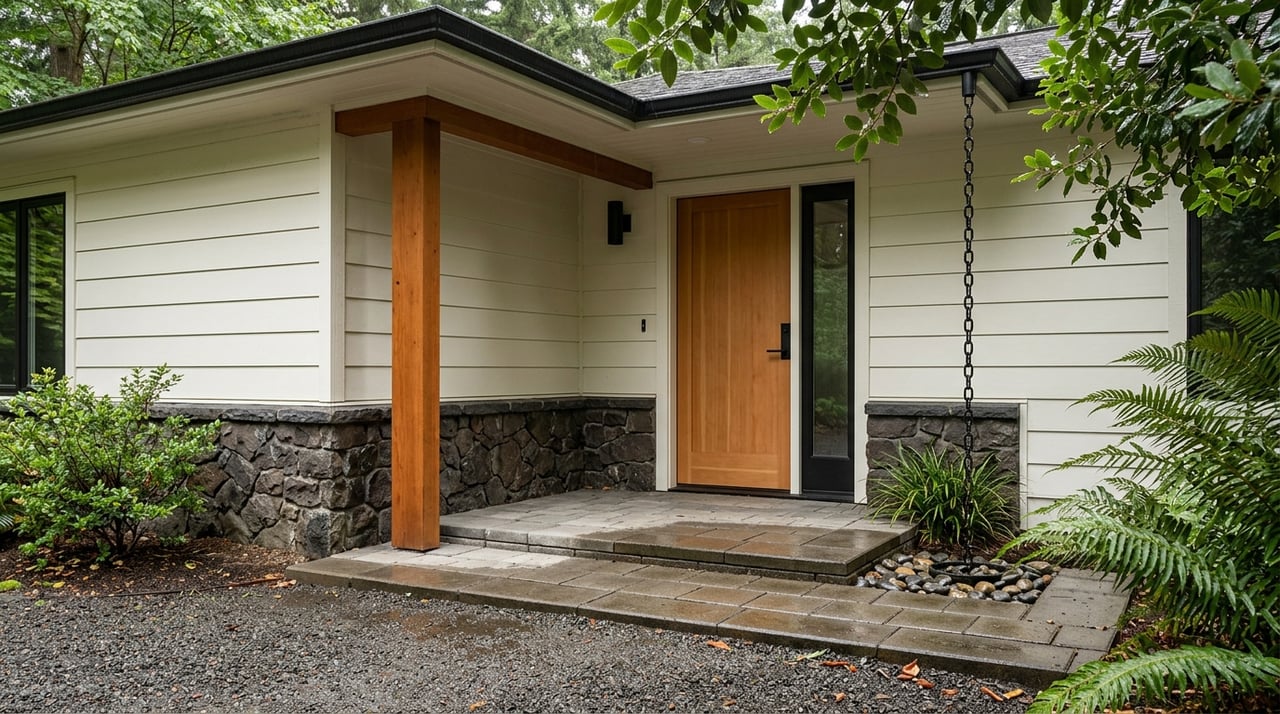
If you are getting ready to sell a home in Volcano, you are not just preparing any property for market. You are preparing a home in a cool, wet, high-elevation environment where buyers often look closely at moisture, water systems, property disclosures, and lava-zone details before they make an offer. The good news is that with the right prep, you can reduce buyer hesitation, present your home more confidently, and make it easier for serious buyers to say yes. Let’s dive in.
Why Volcano buyers look deeper
Volcano has a distinct climate, and that affects how buyers evaluate a home. A nearby NOAA normals station at Hawaiʻi Volcanoes National Park headquarters reports a mean annual temperature of 61.7°F and about 96.24 inches of annual precipitation, which helps explain why roof condition, ventilation, odors, and indoor air quality matter so much in this area. In a market like this, buyers often notice signs of dampness quickly, even during a short showing.
That means your pre-listing strategy should go beyond basic cleaning and decluttering. In many Volcano homes, buyers want reassurance that the property feels dry, maintained, and well documented. When you lead with clear information instead of waiting for questions, you build trust from the start.
Start with moisture control
Moisture is one of the biggest issues to address before your home hits the market. According to the EPA’s guide to mold and moisture, the right approach is to fix the moisture source, dry wet areas quickly, and watch for condensation. The CDC also recommends keeping indoor humidity at or below 50% and correcting moisture problems instead of covering them up.
For many Volcano sellers, this is the first place to focus because it affects both first impressions and inspection results. A home can look charming online, but if it smells damp or shows signs of water intrusion in person, buyers may immediately assume there are bigger issues.
What to check before listing
Before photography or showings, it helps to review the parts of the home most likely to hold moisture:
- Clean roofs and gutters
- Check flashing around roof penetrations
- Repair active leaks
- Test bathroom and kitchen ventilation fans
- Look for condensation around windows and cooler interior surfaces
- Use dehumidification if needed to improve indoor comfort
- Remove musty odors by addressing the source, not masking the smell
If you have had mold or water damage in the past, buyers will want clarity. Keep records showing what was repaired, when it was repaired, and who completed the work.
Gather documents early
A smooth sale often starts with organized paperwork. Under Hawaiʻi Chapter 508D, sellers must provide a written disclosure statement that fully and accurately discloses material facts, and that disclosure must be delivered no later than 10 calendar days after acceptance of the purchase contract.
Even though that deadline comes after acceptance, smart sellers in Volcano often gather everything well before listing. Early preparation helps you answer buyer questions faster, avoid last-minute scrambling, and present yourself as a transparent, reliable seller.
Documents buyers may ask about
Depending on your property, useful documents may include:
- Permits for improvements
- Contractor invoices and repair notes
- Warranties for roofing, appliances, or systems
- Mold or water-damage remediation records
- Construction-defect waivers or releases, if applicable
- HOA or subdivision declaration, bylaws, and rules, if applicable
When buyers can review clear records, they often feel more confident moving forward. That is especially true in areas where homes may have catchment systems, specialized infrastructure, or a history of weather-related maintenance.
Confirm the exact lava-flow hazard zone
In Volcano, one of the most common buyer questions is about lava-flow hazard zone. This is not something to estimate or describe generally by neighborhood. According to the USGS lava-flow hazards overview, Hawaiʻi Island’s map is a long-term planning tool based on geologic history, uses nine hazard zones, and the exact parcel should be identified through the state GIS address search.
For sellers, the takeaway is simple: treat the parcel’s exact lava-flow hazard zone as a required property fact. Do not rely on broad assumptions about the surrounding area. Buyers appreciate precise information, and accurate property-specific details help avoid confusion later in the transaction.
Be ready to explain the water system
Water source is another major topic for Volcano buyers. Rainwater catchment is common across Hawaiʻi, and the University of Hawaiʻi CTAHR estimates that 30,000 to 60,000 people depend on catchment systems for water. The Hawaiʻi Department of Health catchment guidance notes that individual-home catchment systems are not regulated by the department, but they should be well designed, regularly maintained, and periodically tested.
If your home uses catchment, buyers will usually want more than a simple yes or no answer. They may ask how the system is maintained, what treatment is used, and when the water was last tested.
Catchment details to organize
If your property uses rainwater catchment, prepare a simple summary that includes:
- Water source
- Tank size, if known
- Filtration or treatment setup
- Date of the last water test
- Any available test results
- Maintenance schedule for filters, screens, and related equipment
DOH specifically recommends screening for E. coli, turbidity, lead, and copper, so having current or recent information can help buyers understand how the system has been managed. The goal is not to overwhelm them with technical detail. It is to show that the system is understandable, maintained, and part of a well-cared-for home.
Address ash and vog questions honestly
Because Volcano is shaped by volcanic conditions, buyers may also ask about ash exposure, catchment protection, and vog. The CTAHR guidance on vog and catchment recommends temporarily disconnecting catchment from the roof until rain has washed ash off, cleaning gutters, and checking filters so ash does not contaminate the tank or leach metals into the water.
USGS explains that vog is a mix of sulfur dioxide gas and sulfate particles, and conditions can change based on emissions, wind direction, wind speed, and distance from the source. Hawaiʻi DOH directs residents and visitors to current air-quality resources and the vog dashboard for up-to-date conditions. For your listing, the most helpful approach is transparency. If your property has experienced ash exposure or you have taken extra precautions during periods of increased volcanic activity, document that clearly.
Stage the home for function, not just beauty
In Volcano, staging is not only about making a home look attractive. It is also about helping buyers understand how the property lives day to day. This matters even more for forested, rural, or partially off-grid homes where systems and outdoor access can feel unfamiliar to some buyers.
The strongest presentation usually shows that the home is both inviting and functional. Buyers want to see a property that feels maintained, usable, and easy to understand.
What to highlight in showings
Focus on features that help buyers picture practical daily life:
- Clear driveway access and parking
- Maintained walkways and entry points
- Clean, visible catchment or tank infrastructure, if present
- Solar or generator equipment, if present
- Organized utility and storage areas
- Outdoor spaces that look usable, not overgrown
- Interior rooms that feel dry, bright, and ventilated
This kind of prep can be especially helpful for relocation buyers who may be less familiar with Volcano homes. A home that feels well explained often feels less risky.
Create a simple systems sheet
One of the easiest ways to reduce buyer friction is to offer a one-page systems summary. This is especially useful if your home has catchment, backup power, propane, or other property systems that buyers may not see every day.
Your systems sheet can include:
- Water source and treatment method
- Last catchment test date
- Power backup information
- Internet provider
- Propane or fuel storage details
- Service contacts
- Recurring maintenance schedule
A sheet like this helps buyers absorb practical information without feeling overwhelmed during a showing. It also supports the bigger message you want to send: this home has been cared for thoughtfully.
Transparency helps Volcano homes sell
The best way to prepare your Volcano home for today’s buyers is to lead with clarity. Repair moisture issues, gather your records early, confirm the parcel’s lava-flow hazard zone, and be ready to explain the home’s water and utility systems in a simple, organized way. When buyers can clearly see both the beauty of the setting and the function of the property, they are more likely to move forward with confidence.
If you are thinking about selling in Volcano and want practical, local guidance on how to prepare your home for the market, connect with Tessie Fontes. She can help you create a smart plan, present your home clearly, and navigate the process with the kind of organized support that makes a real difference.
FAQs
What should sellers fix first before listing a home in Volcano, Hawaii?
- Start with moisture-related issues such as roof leaks, clogged gutters, poor ventilation, condensation, and musty odors because Volcano’s cool, wet climate can make those concerns stand out to buyers.
What disclosures are required when selling a home in Hawaii?
- Under Hawaiʻi Chapter 508D, sellers must provide a written disclosure statement that fully and accurately discloses material facts, and it must be delivered no later than 10 calendar days after contract acceptance.
Why do buyers ask about lava-flow hazard zones in Volcano?
- Buyers often want the exact parcel-specific lava-flow hazard zone because USGS maps are based on geologic history and hazard zones should be identified for the individual property rather than described generally by area.
What should sellers share about a rainwater catchment system in Volcano?
- Sellers should be ready to explain the water source, treatment setup, maintenance routine, and available water test history, including whether testing has screened for E. coli, turbidity, lead, and copper.
How can you stage a Volcano home to appeal to today’s buyers?
- Focus on showing that the home is dry, well maintained, and functional by clearing access, organizing systems, highlighting usable outdoor space, and making key infrastructure easy to understand.
