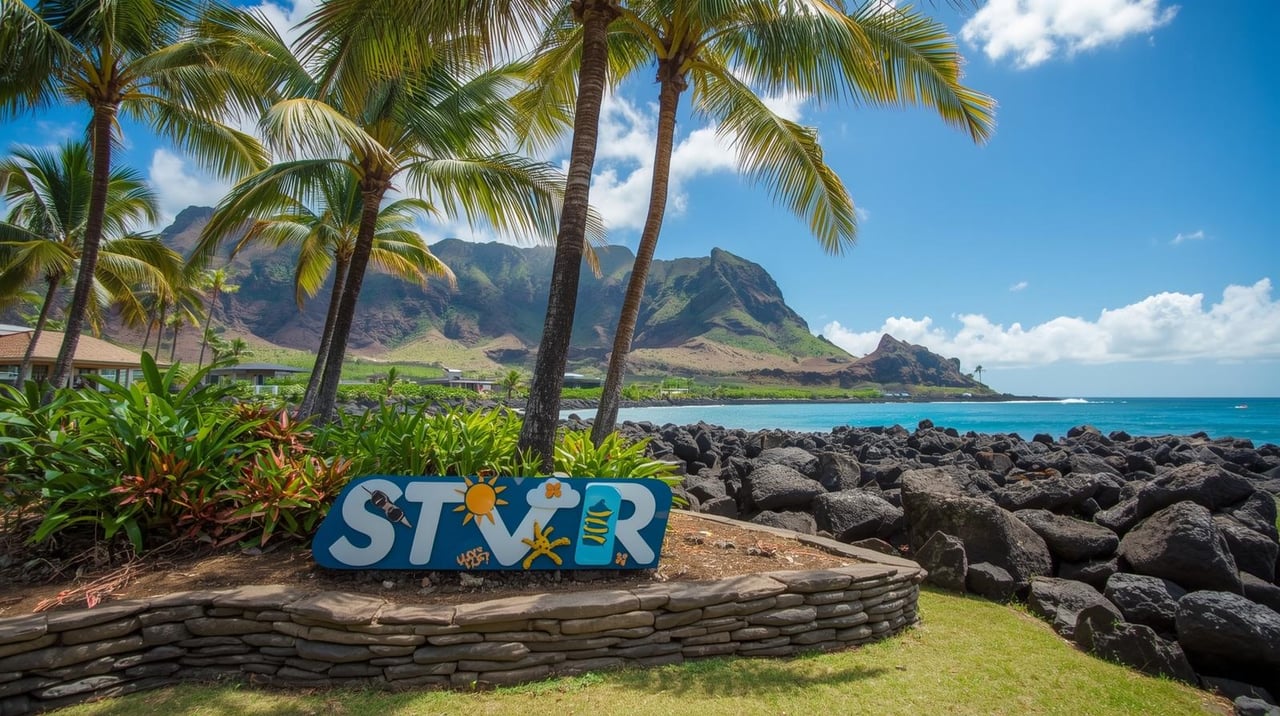
🏝️ Short-Term Rentals on Hawai‘i Island: What Investors Need to Know in 2026
The allure of Hawaiʻi Island — tropical landscapes, dramatic coastlines, and steady tourism demand — makes it a tempting target for short-term rental (STR) investors. But before you jump into buying an Airbnb or VRBO property, it’s essential to understand the legal environment. Hawaiʻi has some of the strictest STR laws in the U.S., and the Big Island’s regulations can make or break an investment if you aren’t well-prepared.
📜 The Regulatory Framework: Bill 108 and STVR Permits
On Hawaiʻi Island, short-term rentals are governed by Ordinance 2018-114 (often called Bill 108), which was adopted to better manage the impacts of vacation rentals on communities and housing availability.
Under this law:
✔️ What is a Short-Term Vacation Rental?
A Short-Term Vacation Rental (STVR) is defined as a dwelling rented for 30 consecutive days or less where the owner does not reside on site.
This definition excludes long-term rentals (over 30 days) and owner-occupied arrangements like bed-and-breakfasts.
✔️ Where Are STRs Allowed?
STVRs on the Big Island are only permitted in specific zoning districts:
-
Resort (V) zones
-
General Commercial (CG) zones
-
Village Commercial (CV) zones
-
Some Residential & Commercial zones in designated resort nodes
-
Multiple-Family Residential (RM) zones for condo properties under certain circumstances
Crucially, new STVRs cannot be established in single-family residential or agricultural zones.
✔️ What About Rentals in Residential Areas?
If a property was operating as an STR before April 1, 2019 — and meets all requirements — it may be eligible for a Nonconforming Use Certificate (NUC). This grandfathered status allows the property to continue operating, even if it’s in an area where STVRs are now prohibited. However:
-
NUCs must be renewed annually, and noncompliance risks revocation.
-
There’s no guarantee NUCs will be available for new properties.
📑 Permit Requirements and Process
Investors need to secure either:
📌 STVR Registration (for properties in permitted zones)
This includes submitting:
-
Application forms
-
Site plans and floor plans
-
Proof the dwelling meets building and safety standards
The Hawaiʻi County Planning Department administers these approvals.
📌 Nonconforming Use Certificate (NUC)
For properties that predate the current zoning restrictions, an NUC allows continued operation. Renewal is required every year, and the process must remain compliant with county rules.
📌 Operational and Compliance Obligations
Owning an STVR isn’t just about zoning — ongoing compliance is key:
📍 Reachable Local Contact
The county requires a “reachable” representative who can respond to guests, neighbors, or officials by phone within one hour and physically within three hours if needed.
📍 Good Neighbor Practices
While the Big Island doesn’t have a state-mandated 90-day minimum stay (like Oʻahu), enforcing noise, parking, and property use policies is crucial to avoid complaints and potential permit issues.
📍 Taxes
Investors must collect and remit:
-
Transient Accommodations Tax (TAT) — Hawaii’s state lodging tax (recently updated with new climate-impact components in 2026) applies to STRs.
-
County taxes — additional county lodging taxes apply.
-
General Excise Tax (GET) — applies to all gross rental income.
Failing to properly collect and report taxes can lead to penalties and audits.
⚠️ Risks and Market Considerations
Before investing, be aware of some risks unique to Hawaiʻi’s regulatory environment:
❌ Zoning Restrictions Limit Supply
With residential and agricultural zones off-limits to new STVRs, the number of legally rentable vacation homes is capped by zoning availability. That can mean:
-
Less competition in permitted zones
-
But also less flexibility for where you can invest
❌ Grandfathered NUCs Can Expire
NUCs must be maintained annually — if documentation lapses or compliance issues arise, you could lose your right to operate.
❌ County Enforcement Is Increasing
Across Hawaiʻi, local governments are cracking down on illegal STRs. Communities have voiced frustrations with unregulated vacation rentals, and enforcement tools have expanded.
🎯 Tips for STR Investors on Hawaiʻi Island
✅ Research zoning before closing on property — properties outside permitted zones may not qualify for STVR operation.
✅ Engage local professionals — real estate attorneys, planners, and property managers familiar with STVR law can help navigate permits.
✅ Plan for compliance costs — reachable contacts, annual renewals, tax filings, and noise/parking mitigation add ongoing expenses.
✅ Consider long-term rentals — given the restrictions on short-term rentals, long-term rental markets may offer more stable returns in many neighborhoods.
🏁 Final Thought
Investing in short-term rentals on Hawaiʻi Island can be profitable, but it’s far from a simple Airbnb play. Understanding zoning rules, certification requirements, evolving tax laws, and community expectations is critical before writing an offer.
Whether you’re a seasoned investor or considering your first Hawai‘i property, the biggest takeaway is this: know the rules before you buy. Complying with them isn’t just legal — it protects your investment and your standing in a community that values responsible tourism and housing equity.
