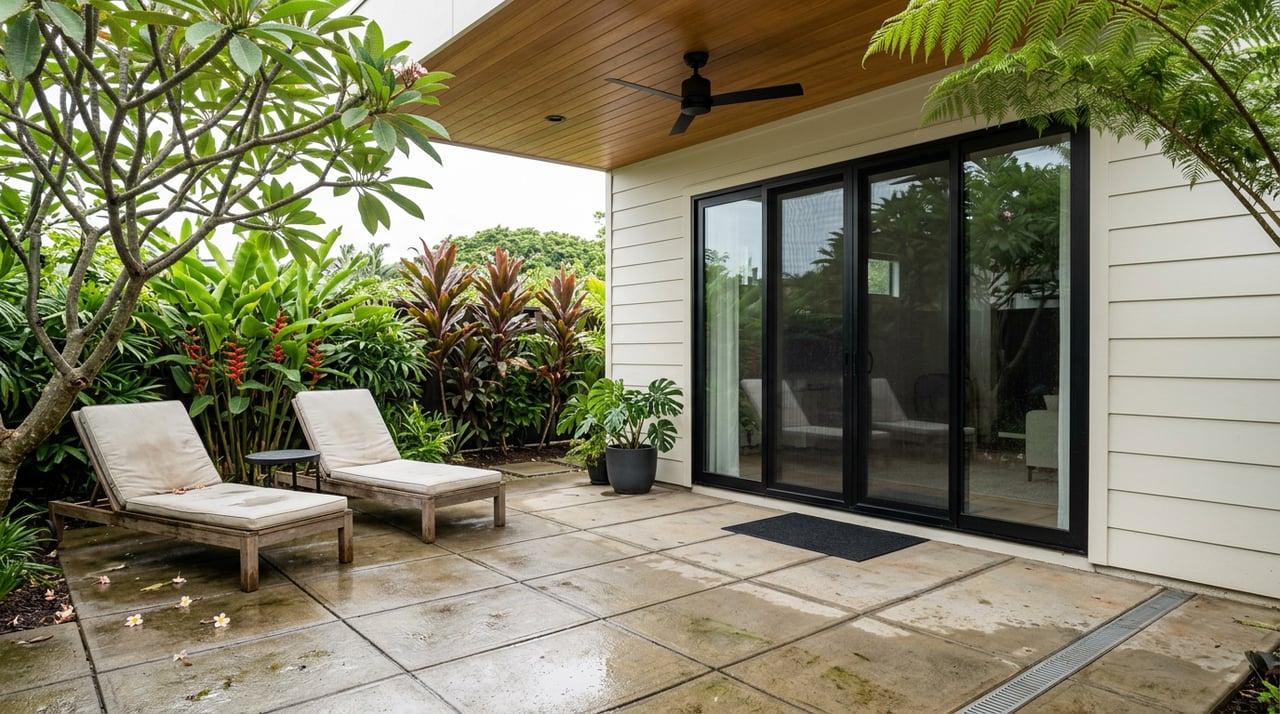
Selling a home in Hilo can feel different from selling in other parts of Hawai‘i. Microclimates, lava and flood zones, and the island’s humid weather all show up in pricing, prep, and buyer questions. You want a clear, local plan that respects your timeline and maximizes your proceeds. This step-by-step guide walks you through how to prepare, price, market, negotiate, and close the sale of your Hilo home with confidence. Let’s dive in.
Hilo market at a glance
Hilo’s typical home value sits around $531,000 based on the Zillow Home Value Index for Hilo as of January 31, 2026. You can review the current value trend on the Zillow Hilo market page. Prices can vary by neighborhood due to elevation, rainfall, flood or lava zones, and proximity to town. Before you list, confirm up-to-date numbers and rely on recent local MLS comps to fine-tune your pricing.
Step 1: Prep your home and paperwork
Gather key documents
Pull together permits, surveys, your Tax Map Key (TMK), HOA or CC&R documents if applicable, and recent repair invoices. Having these ready helps buyers and speeds escrow.
Complete your required disclosure
Hawaii requires a written Seller’s Real Property Disclosure Statement for residential sales under HRS Chapter 508D. Prepare it in good faith, deliver it within the contract timelines, and amend it if you learn new material facts. For an overview of what’s required and typical timing, review this summary of Hawaii’s mandatory seller disclosures. Material facts include things a reasonable buyer would consider important, such as past flooding, moisture or mold issues, termite history, unpermitted work, notices of violation, septic or cesspool status, HOA matters, and known hazard zones.
Consider pre-listing inspections
In Hilo’s climate, a general home inspection plus a wood-destroying organism (WDO/termite) inspection is a smart move. Clear, dated reports can build buyer confidence and reduce renegotiation later. See common seller steps discussed in this Hawai‘i property selling guide.
Address moisture, roof, and ventilation
Hilo’s high rainfall makes roof condition, attic ventilation, and any visible moisture or mildew top buyer concerns. Fix active leaks, improve drainage, and document your work. For local geoscience and climate context in Hawai‘i County, explore this Hilo area climate and hazards overview.
Confirm septic or cesspool status
Many East Hawai‘i homes have septic systems or legacy cesspools. State programs and recent legislation continue to shape requirements and funding for conversions, so buyers will ask. Check the latest legislative updates through Hawai‘i’s official tracker for current guidance on cesspool-related acts and programs: Hawaii legislative acts.
Step 2: Price it with Hilo comps
Work from at least three recent, nearby closed sales and adjust for lot size, elevation, flood or tsunami risk, lava hazard zone, septic versus sewer, property condition, and any unpermitted work. Pricing too high in a thinner submarket can lead to long days on market and price cuts. Pricing right, paired with strong marketing, helps you sell faster and cleaner. Use neighborhood-level comps and current local data to set your list price.
Step 3: Market for maximum reach
Strong presentation and broad exposure matter in Hilo. Plan for:
- Professional photos and a clear floor plan.
- Video or drone where views, land, or setting are highlights.
- Listing in the local MLS plus syndication to major portals.
- Targeted social ads and local outreach like community groups or the newspaper.
- Agent-to-agent networking to surface motivated buyers.
Document recent upgrades, repairs, and permits. If your property fits a premium niche, ask about elevated marketing assets that can reach luxury and relocation buyers.
Step 4: Showings, offers, and negotiation
Expect offers to be written on standard Hawai‘i REALTORS forms and addenda. Respond quickly, track deadlines, and document counteroffer terms in writing. For background on forms and legal resources, see Hawai‘i REALTORS Legal Kokua. Earnest money deposits and contingency periods are negotiated, so set clear expectations on timing for inspections, appraisals, and financing. If unusual legal questions come up, consult an attorney.
Step 5: Escrow and closing in Hawai‘i
Once you accept an offer, escrow opens and the title company begins the title search. The typical sequence looks like this:
- Open escrow and order a preliminary title report.
- Buyer completes inspections and loan underwriting.
- You deliver required disclosures and any agreed repairs.
- Escrow calculates and collects conveyance tax using the state’s P-64 process.
- Loan funds and the deed records with the Bureau of Conveyances in Honolulu, which completes the transfer.
Hawai‘i requires a Conveyance Tax Certificate before recordation. The seller is generally responsible for this tax, and escrow typically prepares and files the paperwork. You can review the forms and instructions at the Hawaii Department of Taxation P-64 page.
Most financed transactions close in roughly 30 to 60 days, depending on lender timelines and contingencies. Your escrow officer can provide a transaction-specific estimate.
Know your closing costs
Plan for the following seller costs in Hawai‘i County. Exact numbers depend on your contract and escrow estimate.
- Commission. Commissions are negotiable. Recent industry data shows typical combined commissions historically around 5 to 6 percent, though structures continue to evolve. See national context in the NAR 2024 Profile of Buyers and Sellers.
- Title insurance and escrow fees. Customary practice in Hawai‘i often allocates about 60 percent of the owner’s title policy to the seller and 40 percent to the buyer, with escrow fees split by local custom. These splits are negotiable. Review local guidance on title insurance and closing costs.
- Conveyance tax. The state transfer tax is a material line item. Escrow normally computes and remits it at closing using Form P-64A or P-64B. See the Department of Taxation P-64 instructions and the P-64A form with rate table.
- Loan payoff and liens. Pay off existing mortgages or liens from proceeds.
- Government fees and prorations. Expect recording fees and prorated property taxes.
- Buyer credits or repairs. Any negotiated credits or final repairs are settled before closing.
Ask your escrow officer for a net sheet early. It should include conveyance tax, title and escrow fees, and your estimated bottom line.
Hazard zones and buyer financing
Disclose and document known hazard zones, including FEMA flood, tsunami exposure, and USGS lava hazard zones where applicable. These factors can affect insurance, lender requirements, and buyer comfort. For an overview of Hawai‘i County geoscience and hazard resources, visit this Hilo hazards guide. Your agent can help you locate your parcel on the relevant hazard maps and note any lender or insurance considerations.
Quick checklist from prep to close
Pre-listing (1 to 3 weeks before launch)
- Gather permits, surveys, TMK, and HOA or CC&R documents if applicable.
- Complete your Seller’s Real Property Disclosure Statement and attach available permits and repair invoices. Review guidance on mandatory seller disclosures.
- Consider a general inspection and a WDO/termite report. Save the reports to share with buyers if advised by your agent.
- Tackle easy wins: fix leaks, clear gutters and vegetation near the home, improve ventilation, and address visible moisture or mildew.
Listing to offer
- Invest in professional photos and a floor plan. List upgrades with dates and permits.
- Use the local MLS, major portals, targeted social, and local community channels.
- Define your acceptable terms in advance: price, closing window, and key contingencies.
Under contract to closing
- Deliver required disclosures on time and amend if a new material fact arises.
- Confirm who pays each closing cost, including your share of title policy and escrow fees.
- Ask escrow to estimate conveyance tax and prepare the P-64 filing.
- Coordinate any agreed repairs, schedule the buyer’s final walk-through, and plan logistics for closing and move-out.
Selling in Hilo is about being prepared, priced right, and well presented. With the right steps and local guidance, you can sell smoothly and confidently.
Ready to map your sale from list to recorded deed? Connect with Tessie Fontes to get local guidance and a home valuation tailored to your Hilo property.
FAQs
Hawaii seller disclosure requirements for Hilo homes
- Yes. Residential sellers must provide a written Seller’s Real Property Disclosure Statement under HRS Chapter 508D and deliver it within contract timelines.
Who pays Hawaii conveyance tax at closing?
- The seller is generally responsible for the state conveyance tax, and escrow typically prepares and files the required P-64 documentation before recording.
Common seller closing costs in Hawaii County
- Expect commission, the seller’s customary share of the owner’s title policy and escrow fees, conveyance tax, loan payoffs, recording fees, and prorated property taxes.
Do you need to disclose septic or cesspool status?
- Yes. Septic or cesspool details are material facts. Buyers often ask due to evolving state programs, so disclose clearly and provide any available documentation.
